
Break the cycle of avoiding data, second-guessing yourself, and shrinking in high-stakes conversations.
WHAT IF YOU COULD LEAD WITH CLARITY, CONFIDENCE, AND CREDIBILITY — EVEN WHEN THE NUMBERS SHOW UP?
This is the leadership program I created to help mission-driven leaders stop shrinking when data appears and start leading.
Introducing Leading with Data.
It’s a totally new way for mission-driven leaders to build influence, make better decisions, and use data without fear
Even if… you’ve built a whole career avoiding numbers
Even if… your chest tightens the moment someone pulls up a dashboard
Even if… you feel like you “should” know this by now
Even if… numbers have never felt like your language
And, yes, especially if you’ve been telling yourself,
“I can get by without being a data person”…
but you know the next level of your leadership requires something different.
Avoid another year of feeling disconnected, delegating your authority, and praying no one challenges your numbers.
It’s time to lead with data in a way that feels powerful, grounded, and fully aligned with who you are.
What you’ll get inside Leading with Data:
Proven strategies:
Walk into a meeting with a slide deck you’ve never seen and speak about it with clarity
Ask a technical question you’ve been avoiding without looking stupid
Give your data team direction so they can deliver exactly what you need to make a decision
Everything you need:
Bring an actual project from your day to day (a board presentation, a dashboard you don’t understand, a conversation you’re dreading) and get tailored coaching on it in real time
Short videos that explain the data concepts behind the scenes,
Live practice interpreting charts
Scripts for pushing back when something feels off
Support from a community of leaders navigating the exact same challenges
Rapid results: Forget about freezing, nodding along, or defaulting to silence. Move from avoiding data to using it to drive decisions, in just weeks.
Real Results from Mission-Driven Leaders
“This is for people who feel like outsiders in data spaces to get comfortable being in rooms where decisions are made, and at the top of org charts, and in halls of power.”
—Catherine Cuellar
Catherine has spent her career leading transformational work for large public and nonprofit institutions, where the ability to tell a compelling, data-driven story can determine what gets funded, protected, or cut. She didn’t think of herself as a numbers person, but she knew that knowing how to weave data into narrative could help protect the work she cared about.
In Leading with Data, she realized she wasn’t starting from zero. She found she already had strong pattern-recognition skills and practice with working with qualitative data. The program gave her structure, language, and additional tools to build from her strengths and show up more persuasively.
Catherine stopped feeling like an outsider in data spaces and began showing up with the grounded authority her work has always deserved.


“Data now feels liberating and freeing. It allows a confidence in the way that I move and think and flow through my leadership.”
— Dr. Magdala Chery
Before joining Leading with Data, Maggie had recently transitioned out of medicine and into high-impact tech roles. She was confident in her leadership, but unsure how to talk about data, especially when she didn’t understand how it was produced, or what story it was meant to tell.
She was also struggling with what data did to her body. “When I hear the word data, I instantly want to get out of my body and into my brain. Data has often served as a function to exclude and gatekeep, especially in the medical community. I am the person the data would count out. I'm used to defending myself and others from data.”
In Leading with Data, she learned to read those reactions differently. She learned how to ask for clarity without doubting herself. She learned how to integrate qualitative and quantitative insights on her own terms. And she created a project rooted in strategy and storytelling, not fear.
Maggie didn’t become someone else.
She learned how to lead with data in a way that amplified her voice instead of silencing it.
“I used to see a wall of stats and think, ‘oh god, I don’t even know how to start looking at this.’ Now it feels so much less daunting.”
— Sarah Steele
As a seasoned operations leader in tech, Sarah had spent years driving high-stakes programs that improved products for millions of users. As she moved up the ladder in a metrics-driven company, data became an unspoken expectation, but she never found the guidance or structure she needed to use it well.
She joined Leading with Data because she recognized the competency gap and because it felt like a safe place to close it. Learning the foundations of research, and working directly on a data visualization project for a new role, changed everything. She started noticing patterns she’d never seen before, asked sharper questions, and even found the methodology sections of reports “so enlightening” (after years of finding them as incomprehensible as an IKEA manual).
By the end, data shifted from a hurdle to a leadership tool Sarah used to guide teams, shape strategy, and strengthen her voice in every room she entered.

Years ago, as you were putting in the time to master your craft, build expertise, and nurture relationships, could you have imagined that all of it could be rattled by a single chart?
That slide the data team added last night.
That metric you didn’t choose.
That dashboard you’re supposed to interpret on the spot.
Those can unlock a host of doubts:
“I’m not a spreadsheet wizard…”
“I wasn’t hired to be a data analyst, why am I expected to lead like one?”
“What if someone challenges the numbers and I don’t know what to say?”
These aren’t unusual thoughts.
They’re the unspoken fears of brilliant, capable leaders who still feel shaky when the numbers appear.
Not because anything is wrong with you, but because you were never trained to lead with data.
Yet you’re expected to do it every day.
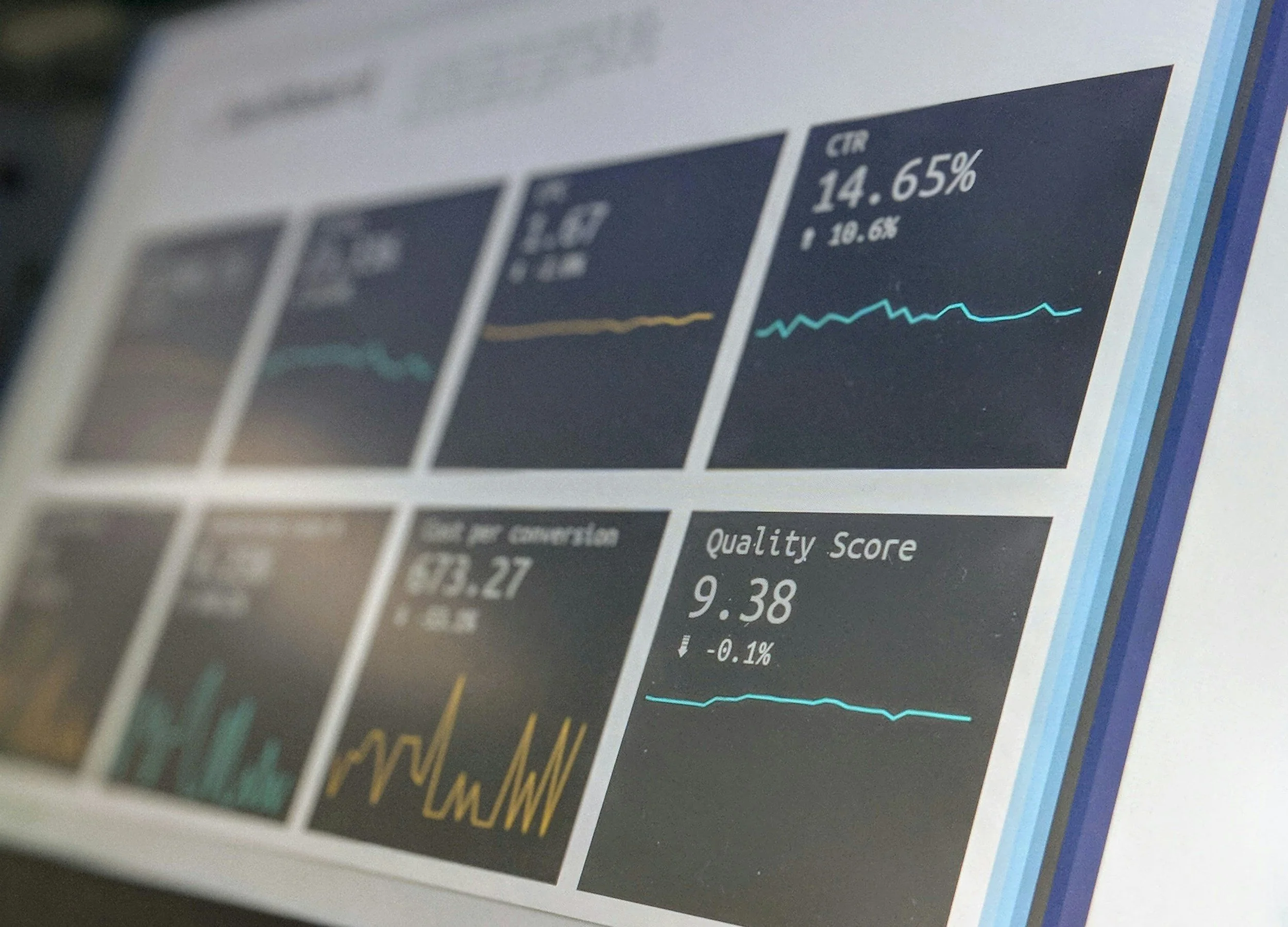
What if your relationship with data was different?
Imagine walking into a meeting where you’re presenting data. And feeling calm.
Not bracing, not rehearsing, not scanning the room for the person who might trip you up.
You stroll in a few minutes early, chatting with people about their weekends and reading the room so you can tailor your remarks.

You’re not distracted by the deck. You collaborated with your data partners last week and this morning hopped on a 10-minute call to walk through an idea you had in the shower. The takeaway on every slide is clear. The story makes sense. You know exactly why each number is there and what questions it answers.
So now, when you start the meeting, your mind is quiet. You’re not trying to memorize anything. You actually understand it.
Your stakeholders are with you. They’re nodding, following the thread, eyes on you instead of their phones. They see the challenge immediately, and you can feel them leaning in.

There’s a moment (there’s always a moment!) when someone tries to poke a hole in your numbers. This time it’s a question about sample size. But your body doesn’t tense. You don’t panic or over-explain. You listen for the real question underneath the question.
Your colleague is worried about a specific set of users they need to be engaged for their next launch to succeed.
You stay steady. You name the concern. You address the risk. Then you call on your lead analyst (who’s in the room because you invited her) to walk through the sub-group analysis you already prepared. The appendix slide pops up. It’s concise, relevant, easy to follow.
Your colleague relaxes. The challenge dissolves. The room moves on.

And you’re back in your lane, guiding the decision, reading the verbal and nonverbal cues, getting real-time buy-in from every direction. The meeting wraps five minutes early. One of your stakeholders gives you the subtle nod that means, “Great work.”
As you walk out, your lead analyst catches up to you. She asks why your colleague was concerned about that set of users, and you explain how they fit into the next launch. You ask her what your colleague meant by the new-to-you term “statistical power” and she explains that it simply means you have enough data to be confident you’ll spot a real pattern if one exists.
Six months ago, a question about sample size from that colleague would have made you break out in a cold sweat and derailed the rest of your day as you replayed your hesitant answer over and over again, wondering if people thought you were an idiot.
Today you’ve already moved onto implementing next steps. Because you got everything you needed out of that meeting.
Calm leadership with data isn’t magic, it’s a skill.
I know, because I had to figure it out for myself before I ever taught it to anyone else.

Hi, I’m Dr. Stephanie E. Farquhar
I’ve spent the last decade in rooms where data shapes real power. At the White House, where I worked on responsible AI and a $600B environmental justice initiative. At Google, where I helped build the company’s first Health Equity team and led initiatives to ensure responsible tech and AI development and deployment. And at the NYC Health Department, where I was the Director for Research and Evaluation at the Center for Health Equity and co-created the Data for Equity initiative that became a national model.
But I didn’t start out as “a data person” in the way you might think.
I started as a bookworm qualitative researcher who loved fieldwork, archives, oral histories, and the slow, rigorous work of understanding people and systems.
And honestly?
In another version of my life, I’d be perfectly content staying there and avoiding numbers because I hated my statistics classes.
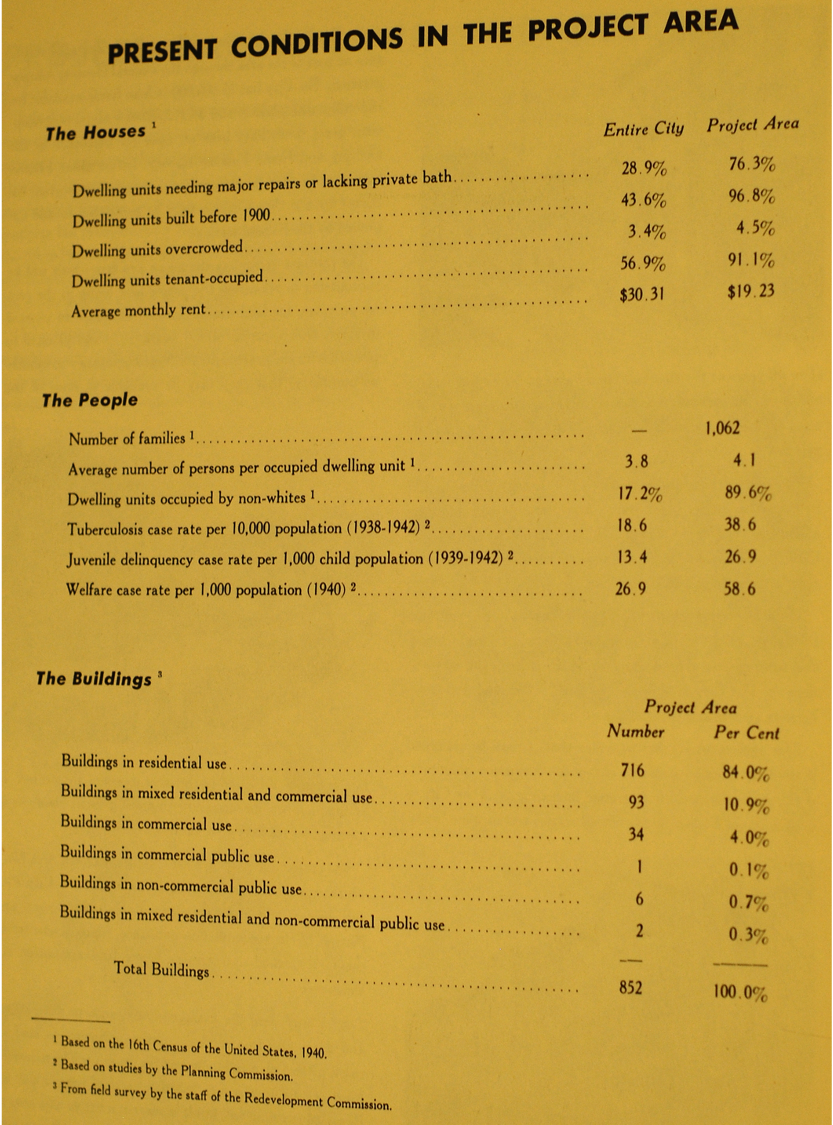
But one day, buried in a stack of newspaper clippings doing my dissertation research, I found a simple data table from 1950 that explained more about structural racism than entire books. The table compared a historically Black neighborhood that was a destination for folks fleeing the Jim Crow South to the rest of the city.
It stopped me cold.
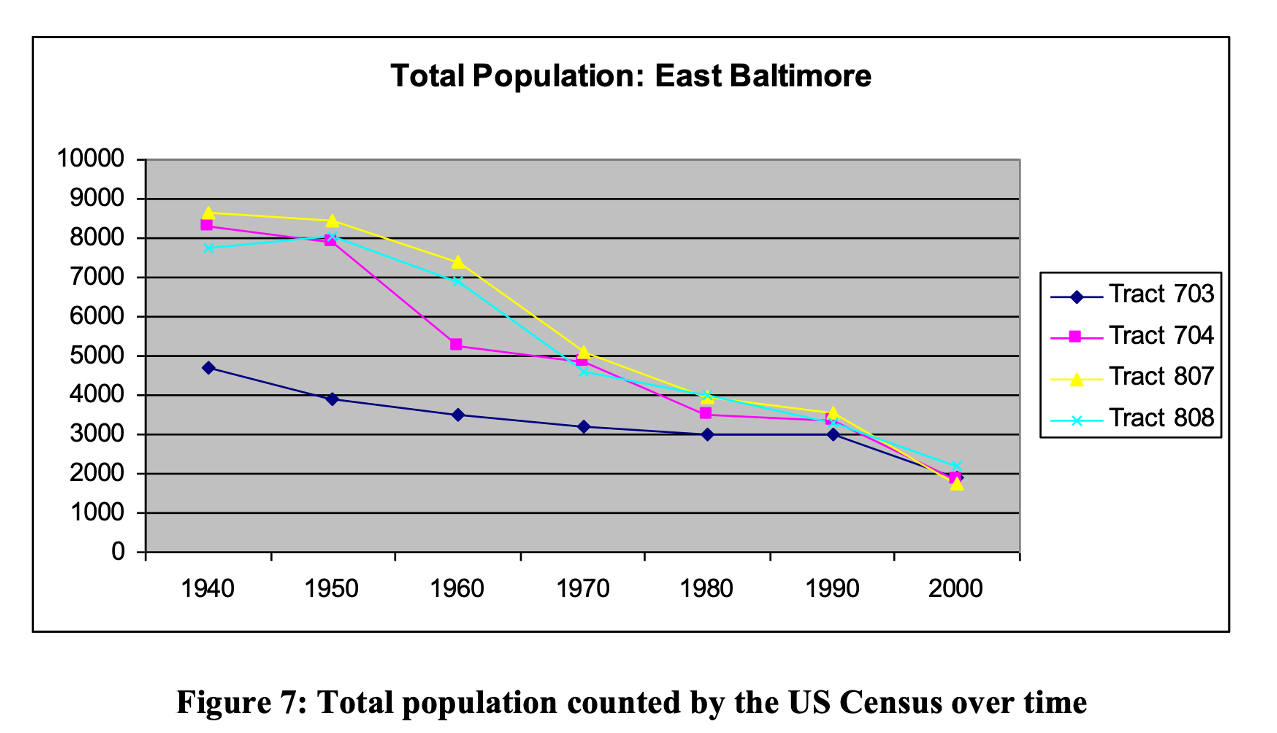
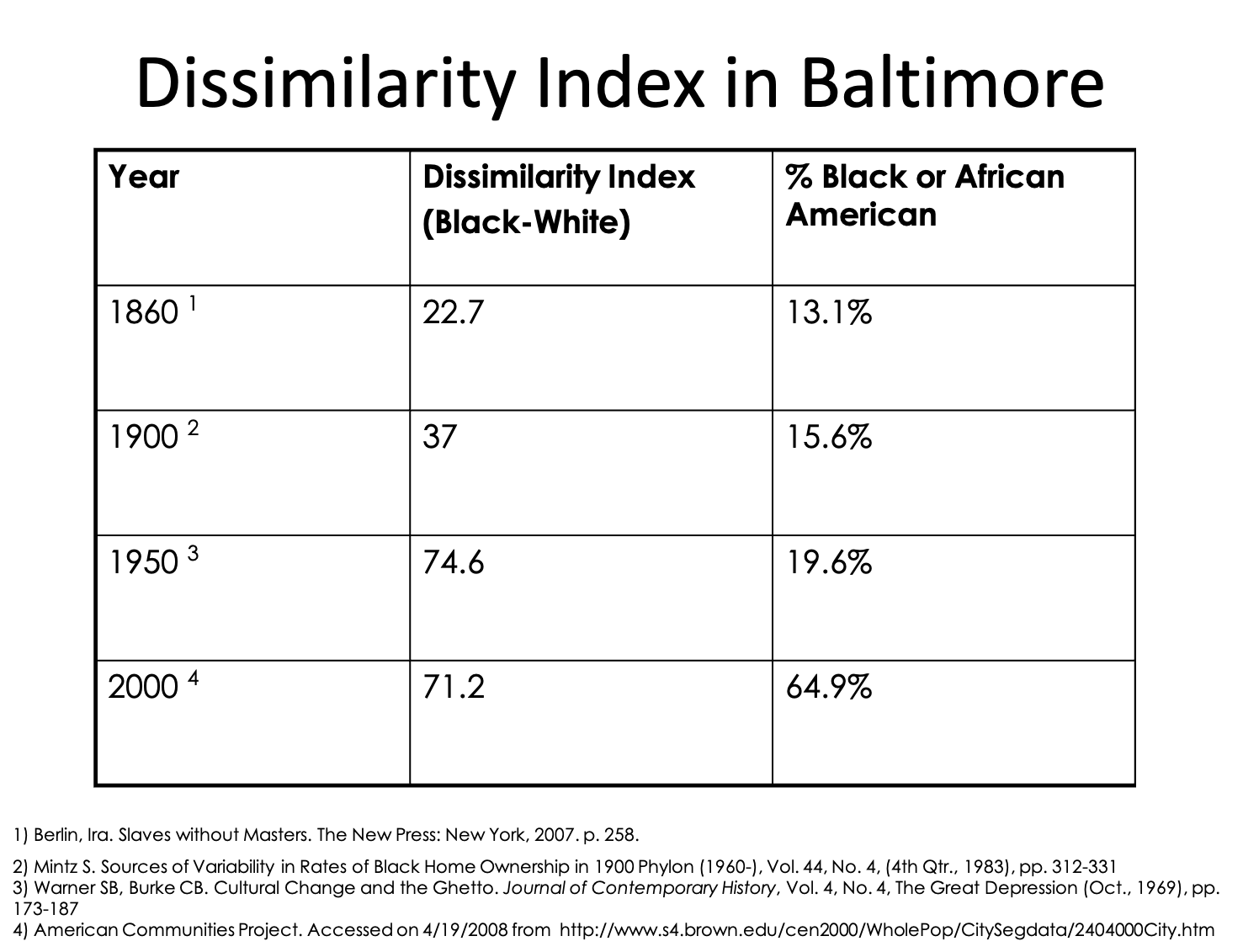
My graphs were clunky and my tables were awkward, but the census data opened my audiences to words and theory they’d once dismissed as “anecdotal.” The archival numbers allowed them to see patterns that were absent in the table from 1950.
And once I saw the decisions behind every number (what gets counted, what gets erased, what gets overlooked) I could finally see how to bring value without pretending to be someone I wasn’t.
What it omitted was more powerful than anything in its columns. The table erased redlining, predatory landlords, and segregation. It turned deliberate predation and disinvestment in Black neighborhoods into something that looked inevitable, even mathematical. That veneer of objectivity was used to justify real, lasting harm.
I saw that this neighborhood was still being mischaracterized by metrics, dashboards, forecasts, and “neutral” numbers that carried enormous consequences.
Staring at this table, I realized that if I wanted to make change, I had to stop avoiding numbers.
I didn’t turn myself into someone else and become a star coder overnight.
I started forcing myself to use Census data to sketch patterns of disinvestment in that neighborhood, like white flight.
I dove into data the way I knew how, starting with dusty census books from 1940–1980; studying how numbers are produced, categorized, shaped, and limited; identifying where human decision introduce bias; integrating quantitative insights with qualitative research and historical context.
I found that the strengths I already had (like pattern recognition, systems thinking, theory and rigor, archival work) became strengths with numbers.

It made me a better researcher. A better strategist. A better partner to analysts.
And a much more credible leader.
Fast forward to now.
I’ve spent more than a decade helping leaders, analysts, cross-functional teams, policymakers, and executives navigate the exact data moments that once made me freeze.
I’ve watched what actually builds credibility and what never moves the needle.
And I’ve taken everything I learned the hard way — the frameworks, the questions, the strategic moves, the emotional steadiness — and built it into a program so you don’t have to spend years piecing it together alone.
Imagine how you can lead when data stops feeling like a hurdle
Suddenly, you’re not cramming talking points in the hallway.
You’re reading the room, shaping the conversation, and getting buy-in in real time.
You stop performing expertise and start using it.
You stop shrinking when someone throws out a statistic and you start steering the discussion to what matters.
You stop thinking, “Please don’t call on me,” and start thinking, “Here’s where we need to go next.”
People notice.
Analysts trust you.
Executives and board members listen to you.
Teammates follow your lead.
You feel the shift inside your body, from tightness and dread to steadiness and clarity.
And once you stop burning energy on fear, you can finally use that energy for leadership.
That’s the real transformation.
The Unavoidable Truth: You can’t lead effectively if you avoid data
For years, I have watched brilliant, mission-driven leaders shrink or check out the moment data entered the room.
They already know they should be better with data, but they tell themselves:
“I’ll figure it out when I have more time.”
“I’ll ask the data team for their recommendation.”
“I’ll just focus on the big picture, someone else can handle the numbers.”
But here’s the truth no one says out loud:
Avoiding data is not without cost.
It quietly limits your influence every single day.
Because when you avoid data:
you avoid the conversations that shape strategy
you let others set the terms of the debate
you lose credibility in the exact moments where you need it most
You don’t just delegate analysis.
You delegate power.
If they make time to work on data, most leaders assume the fix is to learn more data analysis skills.
Watch a tutorial. Google a term. Take a stats course someday.
But none of that helps you in the moment that matters,
when someone asks a question about a chart and the room turns to you.
Because here’s the part nobody tells you:
Leading with data isn’t an analytic issue.
It’s a credibility issue, the kind that sits at the heart of modern leadership.
When you avoid data or check out when it comes up, people question your instincts.
But! If you can engage with data, they trust your judgment.
And that trust is what moves decisions, influence, and opportunities forward.
Where will you be 12 months from now?
Twelve months from now, you will still be leading teams, guiding strategy, and carrying work that matters.
The question is: will you feel confident when the numbers show up and watch how your credibility has grown… or will you still be bracing yourself every time they do?
If you decide to keep waiting for “someday,” that is a decision.
And a year from now, the same patterns will still be there:
avoiding the slide you don’t understand
hoping no one asks a follow-up question
relying on others to translate the data for you
feeling your influence wobble in the exact moments you need it most
But there’s another path.
You can decide today to stop letting data shrink your leadership.
You can build the skill set that lets you stay steady, ask sharp questions, and guide the room even when the numbers are messy, imperfect, or new.
This is not about becoming a data analyst.
It’s about becoming the kind of leader people trust when decisions are on the line.
Even the world’s best leaders have coaches. They don’t work alone.
They seek perspective, structure, and guidance. Not because they are lacking, but because they know the change they want to see in the world requires that they become the best versions of themselves.
If high-stakes athletes, political leaders, and top executives use coaching to sharpen their edge, why shouldn’t mission-driven leaders do the same?
Imagine having support that helps you:
walk into any meeting with clarity instead of dread
ask analysts the right questions without feeling exposed
see the story the numbers are (and aren’t) telling
stay grounded, credible, and influential when it matters most
lead data conversations with confidence, not caution
Introducing…

Leading with Data
Step into your most confident, credible self
Leading with Data is the ONLY leadership program designed for mission-driven leaders who want to use data strategically.
Most data programs teach spreadsheets or coding.
Most leadership programs ignore data entirely.
Leading with Data does neither.
It shows you exactly how to use data to strengthen your leadership, shape decisions, and build credibility. And it starts from the strengths you already have.
Here’s what the program covers:
How data is actually made and what that means for your decisions
Learn how surveys, dashboards, metrics, forecasts, and AI outputs are produced, where human judgment shapes them, and how bias enters.
So you can see the story behind the numbers and stop taking data at face value.How to assess data quality (quickly, calmly, and without jargon)
You’ll learn the small handful of questions that reveal whether a number is useful, misleading, incomplete, or being misused. Most importantly you’ll learn how to get your team unstuck and what to do next.
How to get what you need from your data team
You'll learn the exact role leaders play in the data lifecycle, how to give direction that actually improves analysis, and how to collaborate without micromanaging or getting lost in details.
How to navigate jargon and uncertainty with confidence
Learn to decode unfamiliar terms on the spot, ask clarifying questions without feeling exposed, and keep conversations strategic even when things get technical.
How to communicate about data so people listen
Learn how to present numbers clearly, stay grounded when challenged, and steer the room toward insight and alignment. No more confusion or defensiveness.
Apply it all to a real project from your job
You’re not “learning in theory.”
You’ll choose a live project (a board presentation, a confusing dashboard, a cross-functional decision, a tricky stakeholder conversation) and use it as the anchor for the entire program.A blend of group learning + direct support
You’ll have group sessions that build core skills AND three one-on-one sessions where we go deep on your project, your communication patterns, your credibility gaps, and your leadership goals.
Leading with Data gives you everything you need — the frameworks, the language, the real-world practice, and the support — all working together to build lasting clarity and credibility.
You don’t have to spend over a decade piecing this together like I did.
You don’t have to sit through another meeting hoping no one asks you a question you can’t answer.
You don’t have to pretend you’re following when you’re actually figuring it out in real time.
And you definitely don’t have to take advice from people who think the solution is becoming a spreadsheet power user or learning to code.
I’ve distilled everything I’ve learned in public health, tech, and federal policy into a focused, strategic, leadership-first program.
You get live coaching, real-world examples, honest guidance, and a supportive community of leaders who are navigating the same moments you are.
And you get to practice everything on an actual project from your career. Your growth will be immediate, relevant, and real.
All it takes is a few hours a week to build a capability that changes the way people respond to you in rooms that matter.
Beth Goldberg
“I found this course incredibly valuable. It helped me tune into myself and lean into my data communication strengths, and it gave me a community of other professionals who are asking the same hard questions and working through feelings of data imposter syndrome.”
How is Leading with Data different?
First, credibility matters.
Leading with Data isn’t built on hacks, hype, or generic “become a data scientist” advice.
It’s built on 15+ years of real leadership experience in rooms where data drives decisions, budgets, media narratives, product directions, and policy.
I developed this program after supporting leaders at the White House, Google, and the NYC Health Department through the exact challenges you face:
being brilliant at your work but unsure how to talk about numbers
feeling the credibility tax in technical environments
wanting to contribute at a higher level but dreading the moments when the data shows up
caring deeply about outcomes but feeling sidelined by metrics or dashboards
navigating power dynamics between leaders and analysts
I’ve coached analysts, senior leaders, physicians, program directors, policy advisors, PMs, researchers, and cross-functional teams.
I’ve watched what actually builds credibility, and what never moves the needle.
Leading with Data distills those patterns into a focused, strategic, no-fluff program that gets to the heart of the problem:
credibility, clarity, and presence in high-stakes moments.
Every step of the way, I asked myself one question:
What would truly help the leaders I’ve worked with build confidence, clarity, and credibility in the moments that matter most?
And then I built those answers directly into the program.
Only Leading with Data combines the realities of how data shapes power in high-stakes rooms with years of experience coaching leaders across tech, public health, medicine, policy, and nonprofit work.
You can try to piece this together on your own… but why would you?
If you’re serious about growing your credibility, influence, and clarity, give yourself the advantage of a framework built from years of watching real leaders struggle, grow, and transform.
Leading with Data gives you practical tools you can use right away.
This is not a feel-good leadership workshop that leaves you inspired for a weekend and stuck on Monday.
It’s not a generic “get better with numbers” webinar that teaches you 15 new terms and zero strategy.
And it’s not a collection of scattered tips you can Google but never implement under pressure.
Leading with Data is a deliberate, structured path to becoming the calm, credible presence people trust in high-stakes moments.
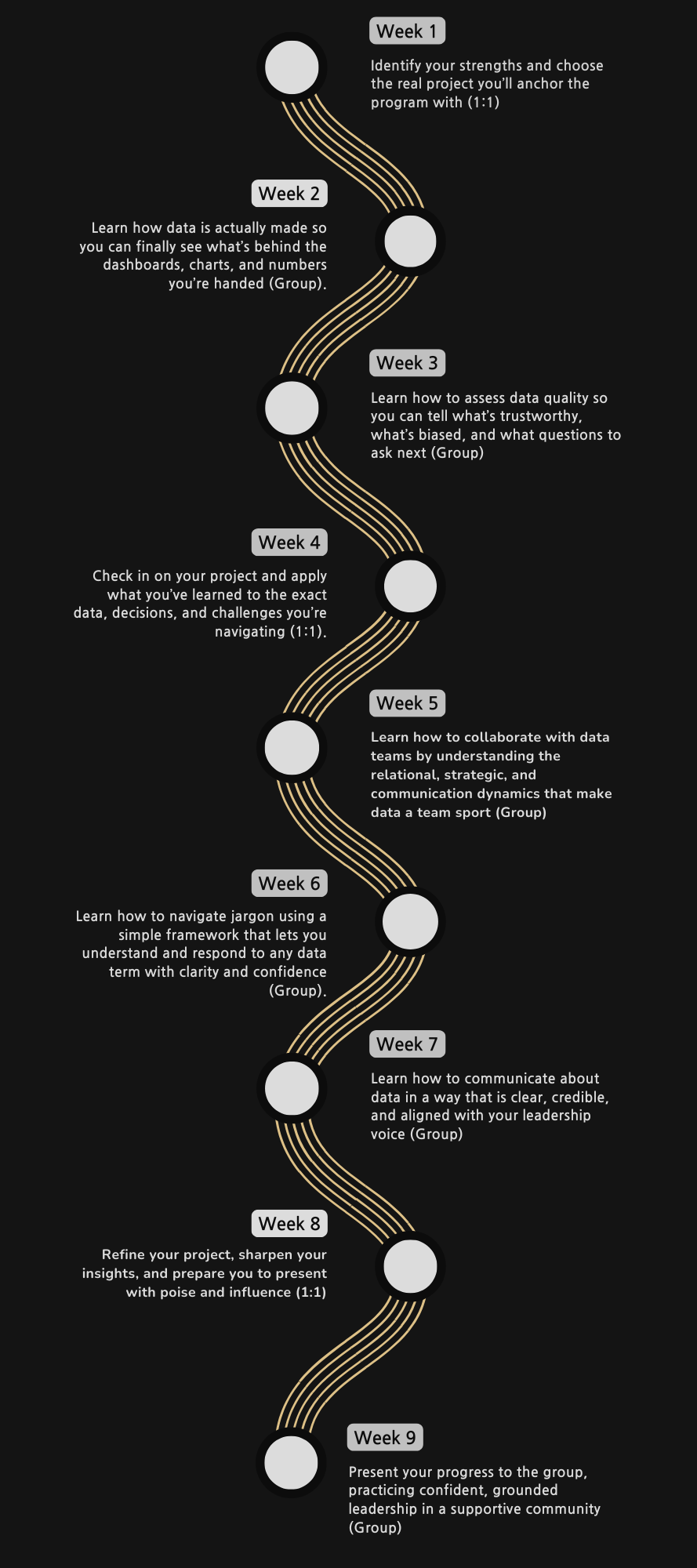
Answers to your real leadership questions
ANXIOUS YOU’LL FREEZE WHEN SOMEONE ASKS A TECHNICAL QUESTION?
You won’t.
In Week 3 and Week 7, you learn exactly how to listen for the real question beneath the jargon and what to say when someone challenges your numbers. You’ll practice navigating sample sizes, outliers, and confusing metrics calmly and credibly.
WORRIED YOU DON’T KNOW ENOUGH “DATA LANGUAGE”?
You don’t need to memorize anything.
Week 6 gives you a clean, plain-English translator for common terms (qual vs. quant, validity, bias, statistical power, “directionally correct”). You’ll know what matters, what doesn’t, and how to ask for clarity without feeling stupid.
CONVINCED YOU’RE “NOT A DATA PERSON”?
Most of my clients felt the same. Until Week 2.
Once you see how data is actually made (the decisions, the bias points, the human choices), your existing strengths like context, pattern recognition, systems thinking snap into place.
AFRAID YOU’LL LOOK INCOMPETENT IN A MEETING?
Week 7 teaches you how to guide a conversation even when you didn’t make the chart.
You’ll learn how to frame limitations, name risks, and redirect questions. All without getting lost in the weeds.
UNCLEAR HOW TO WORK WITH YOUR DATA TEAM?
You don’t need to become an analyst. You need to lead analysts.
Week 5 teaches you how to give direction, ask better questions, clarify outputs, and get the analysis you actually need to make decisions.
HATE FEELING BLINDSIDED BY NUMBERS?
You won’t be.
Week 3 gives you a repeatable way to assess whether data is trustworthy. You can immediately see what’s strong, what’s shaky, and what to ask next.
YOUR BODY GOES INTO FIGHT-OR-FLIGHT WHEN DATA SHOWS UP?
You’re not alone. Most of my clients feel the same.
In Week 1 and throughout the program, you’ll learn how to recognize your physiological responses and bring yourself back to calm so you can stay present and persuasive.
STILL NOT SURE HOW TO APPLY THIS TO YOUR ACTUAL JOB?
That’s why you work on a real project from your work life each week.
In Weeks 4 and 8 (your 1:1 sessions) and Week 9 (group presentation), you bring a real deck, real dashboard, or real strategic question to a one-on-one session with me. We shape your actual deliverable together.
WORRIED YOU WON’T HAVE TIME?
Most clients fit this into an already-full leadership workload.
Sessions are structured, human, and efficient. Also? Every skill you learn is immediately applicable to the next meeting on your calendar.
WHAT IF YOU’VE HAD TRAUMATIC OR SHAMING EXPERIENCES WITH DATA?
Many of us have (don’t get me started on the way that the social vulnerability index talks about single moms).
The way we work treats those experiences as valid signals, not personal failures. You’ll learn how to use them as data points that increase your credibility.
FEARFUL THAT YOU’LL NEVER FEEL CONFIDENT WITH NUMBERS?
Here’s what one client realized:
“Numbers can look really loud, but once you understand the context, you can interpret them better.”
You’ll learn how to create that context and speak from it with confidence.
All of these moments are covered inside Leading with Data. Clearly, directly, and with the support you’ve always deserved.
Why keep white-knuckling your way through this alone?
You’ve been showing up to meeting after meeting doing something heroic. And unsustainable:
Trying to stay composed while your brain is scrambling to interpret numbers and jargon in real time.
You’ve been told to “just look at the dashboard,”
or “speak to the numbers,”
with no support on how.
And still, you’ve kept going.
You’ve kept delivering.
You’ve kept leading.
But the cost is real. Stress, self-doubt, missed opportunities, moments where your brilliance gets dimmed the second a chart appears.
You don’t have to keep doing it this way.
Leading with Data gives you the scaffolding, the language, the support, and the community to finally feel steady in the exact moments that used to unravel your confidence.
No more bracing.
No more hiding.
No more shrinking.
Just clarity, calm, and a way of working that feels like you.
Take Nadia. Before Leading with Data, she told me the data side of her Product Manager (PM) role was “very stressful… and impacting my confidence.” She felt embarrassed, confessing, “Maybe I don’t know what’s going on, but I don’t know what question to ask. I can’t just say I’m confused.”
After the course, she said she finally feels “like I can figure it out.” And the breakthrough was realizing that not asking questions was what kept blowing up her timelines, because her team was being vague and skipping steps when they estimated timelines.
So when a team member said the next step was to “parse the data,” she didn’t freeze. She simply asked, “Can you walk me through what that actually looks like here?” and got the clarity that kept the project on track.
Is Leading with Data right for you?
Leading with Data is NOT for you if…
• You’re looking for a shortcut.
If you want a magic phrase, a plug-and-play script, or a promise that you’ll suddenly “be great with numbers” without doing any internal or strategic work, this won’t serve you.
• You expect to become an analyst.
This program does not teach coding, advanced statistics, or technical software. If you want to become a data scientist, this is not the right container.
• You’re unwilling to reflect on your leadership patterns.
If you’re not open to looking at how you react under pressure, how you communicate, or how you show up in moments of uncertainty, this work won’t land.
• You’re not able to commit time or presence.
If you’re unable to participate in sessions, work on your project, or practice the tools we cover, you won’t get the transformation you’re investing in.
I’m intentional about who joins this program.
Not because it’s exclusive, but because real growth here requires honesty, commitment, and a willingness to show up fully.
Leading with Data is intentionally small.
Each cohort is limited to 10 leaders, so you get direct support, meaningful coaching, and a community where people actually know each other’s work.
It works when the right people are in the room together.
Please read this carefully.
Leading with Data IS for you if…
• You’re ready to invest in a part of your leadership that’s been on the back burner: your ability to stay clear, calm, and credible when conversations about data get complex.
You know this skill matters, and you’re finally ready to give it the attention it deserves.
• You’re thoughtful, steady, and committed to practicing new approaches with intention.
You understand real growth takes consistency, not perfection, and you’re willing to put in a few focused hours each week.
• You’re looking for a structured, grounded way to make sense of numbers.
You want a reliable system you can trust in the moments that count.
• You’re willing to show up with honesty, curiosity, and emotional steadiness.
You can reflect on your patterns, try new strategies, and stay present even when a conversation feels vulnerable or new.
Frequently Asked Questions
WILL THIS WORK?…
“What if I don’t know much about data?”
You don’t need to.
Leading with Data starts with exactly what most leaders were never taught:
how data is produced, where bias enters, how to assess quality, and how to interpret numbers without doing analysis yourself.
You’ll learn in plain English, with live examples, and apply everything directly to your own project.
If you can lead a meeting, ask questions, and think strategically, this program will work for you.
“What makes Leading with Data different from other data trainings or workshops?”
Everything.
Most data trainings teach techniques, tools, or technical concepts.
Leading with Data teaches leadership—how to stay calm, credible, and strategic when numbers show up in high-stakes conversations.
This is the only program that:
teaches you the leadership side of data, and how to support your teams that do the deep technical work
uses your actual real-world project as the backbone of the program
combines group coaching, 1:1 coaching, practice, and reflection
focuses on the credibility gap that brilliant leaders face in data-heavy rooms
centers your strengths, not your deficits
It’s not a stats course.
It’s not a dashboard tutorial.
It’s not theory.
It’s leadership development for a world where data shapes every decision.
“How much support will I get?”
A lot.
Your program includes:
Three 1:1 coaching sessions with Dr. Farquhar
Six live group sessions focused on practical skill-building
A real project you’ll work on throughout the program
A cohort of leaders navigating the same challenges
Feedback, examples, and tools you can use immediately
You will not be left alone to “figure it out.”
You’ll be guided through every step.
“How quickly will I see results?”
Most leaders notice a shift within the first 2–3 weeks.
You’ll start asking better questions.
You’ll feel more grounded in meetings.
You’ll stop panicking at jargon.
You’ll begin to understand what data is telling you (and what it isn’t).
By the time you finish your first 1:1 session and complete Week 3, you’ll already see the world differently.
This isn’t magic.
It’s structured, supported practice.
MENTAL BARRIERS AND DOUBTS
“I don’t want this to become another thing on my already overflowing plate.”
Totally valid. That’s exactly why the program is designed the way it is.
Leading with Data is not about adding more work.
It’s about changing how you approach the work you’re already doing.
You’ll bring real slides, real dashboards, real conversations, real decisions.
This isn’t extra.
This is your leadership.
And each session is intentionally paced to fit into a full, demanding career.
“What if I fall behind?”
You can’t “fall behind.”
This is not school, it’s leadership development.
Sessions are recorded, your notes are yours to keep, and your 1:1 sessions give you personalized support no matter where you are in the process.
Life happens. This program is built with that reality in mind.
“What if I live outside the U.S. or work in a totally different field?”
Data shows up everywhere.
Our previous cohorts included leaders from tech, medicine, nonprofits, public radio, philanthropy, and more. The frameworks are designed to work across all of them.
If you work in an environment where decisions involve data, this will help you.
“Can I use professional development funds?”
Yes. Many leaders join Leading with Data using employer-sponsored professional development funds. You’ll receive a detailed invoice and any supporting documentation your organization requires for reimbursement or direct payment.
IS LEADING WITH DATA RIGHT FOR ME?
“Do I need to know statistics, coding, or Excel?”
You don’t need to know statistics, coding, or Excel to succeed here.
This program won’t turn you into an analyst. It helps you understand what your data teams do, ask sharper questions, and lead the room when numbers enter the conversation.
Your analysts bring technical depth.
You bring strategy, context, judgment, and direction.
Leading with Data strengthens the partnership between the two.
“Will this help if I feel anxious, intimidated, or ashamed around data?”
Absolutely.
Many leaders describe physical symptoms (tight chest, shallow breathing, shutdown, fear of “looking stupid”).
We address the emotional side as directly as the strategic side.
You’ll learn grounding tools, reframing techniques, and new ways to interpret your own reactions so they don’t hijack your credibility.
HOW LEADING WITH DATA WORKS
“Is this course live?”
Yes, the core of the program is live.
You’ll have:
5 live group sessions
3 live 1:1 coaching sessions
A final live group presentation session
Access to session recordings afterward
No travel required. Everything is on Zoom or pre-recorded video.
“How much time will I need each week?”
About 2–3 hours per week.
60-minute session (either group or 1:1)
Light weekly practice and application to your real project
Video content that teaches you the lesson before the live session so we can focus on learning together from each other’s experiences.
Your ROI will show up in the time you save by not spiraling, overpreparing, or second-guessing yourself.
“Is there a community?”
Yes.
Your cohort becomes part of your support structure. A group of leaders who understand the emotional and strategic weight of data-heavy work.
You’ll learn from each other, normalize your challenges, and practice real scenarios together.
Step into your most confident, credible self. Today.
You’ve made it this far because some part of you knows this is the piece of your leadership that hasn’t had the support, clarity, or structure it deserves.
You can keep powering through, preparing for every meeting like it’s an exam, and hoping you never get caught off guard…
Or you can choose to build a skill that will change how you move through every high-stakes room for the rest of your career.
If you’re ready for that shift, here’s your invitation
Pay $5000 in full today and save $550
Make 3 payments of $1850 each over 3 months
If you have any questions or concerns about the course, email us.
We’re happy to help.
hello @ equitabledatasolutions . com
The Leadership Crossroads
The truth is this: a year from now, you will face the same meetings, the same high-stakes conversations, the same fast-moving decisions.
The question is whether you’ll face them the way you do now (bracing, hoping nothing goes wrong, shrinking just a little when the numbers show up)
Or whether you’ll walk in calm, clear, and grounded in your own expertise.
Most mission-driven leaders don’t struggle because they lack brilliance. They struggle because data has become the choke point where confidence tightens and influence slips.
And the painful reality is:
your leadership can’t grow where your confidence collapses.
So you have a choice.
You can keep waiting for “after this quarter,” or “once things slow down,” or “when I finally have time to figure this out.”
Or you can decide that this is the moment you stop letting data undermine the leader you’ve worked so hard to become.
With support, structure, and a community of peers who are navigating the same thing, you can build the calm, credible, strategic relationship with data that your career actually requires.
In a few months, you could be moving through high-stakes conversations with ease and clarity.
Or you could still be white-knuckling through meetings wishing you felt different.
Only you can make that call.
But if you’re ready to grow into the leader your work deserves, Leading with Data is ready for you.
If you have any questions or concerns about the course, email us.
We’re happy to help.
hello @ equitabledatasolutions . com
Pay $5000 in full today and save $550
Make 3 payments of $1850 each over 3 months